Search

Research on Reishi

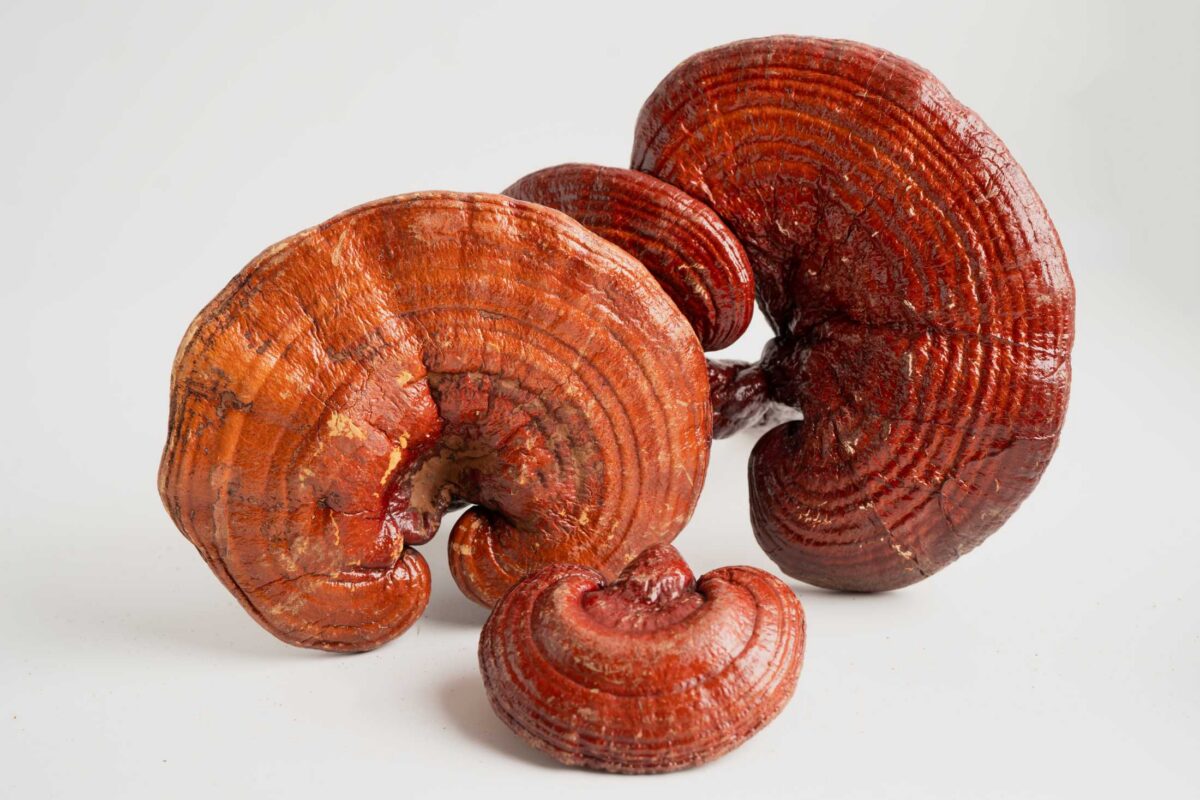
Unlike culinary mushrooms, Reishi is typically consumed in extracts, powders, teas, or capsules. Modern scientific interest focuses not on folklore, but on its biochemical composition, particularly compounds such as triterpenoids, polysaccharides (including beta-glucans), and other secondary metabolites that researchers have studied in laboratory and clinical settings.

One widely cited scientific overview of this mushroom appears in Herbal Medicine: Biomolecular and Clinical Aspects, in the chapter titled Ganoderma lucidum (Lingzhi or Reishi): A Medicinal Mushroom.

Chapter Introduction

The chapter begins by outlining Reishi’s long-standing role in traditional Chinese medicine, where it has historically been classified as a superior herb. The authors note that while traditional systems attributed broad wellness-supporting properties to the mushroom, modern research aims to understand its activity through chemical analysis and biomedical investigation.

The introduction explains that scientific interest in Reishi largely centers on two major groups of compounds:

  • Polysaccharides, particularly beta-glucans, which are studied for their interaction with immune-related pathways.
  • Triterpenoids, including ganoderic acids, which have been examined in laboratory research for various biological activities.

The authors emphasize that much of the early evidence comes from in vitro (cell-based) and animal studies. They also highlight that while interest is strong, human clinical research remains more limited in scope and scale compared to laboratory data.

Chapter Conclusion

In the conclusion, the authors reiterate that Ganoderma lucidum contains a diverse array of bioactive compounds that have demonstrated biological activity in experimental models.

They note that laboratory studies have explored areas such as:

  • Immune system modulation
  • Antioxidant activity
  • Effects observed in cancer-related experimental models
  • Liver-related and cardiovascular-related research models

However, the authors also stress that while preclinical findings are substantial, more well-designed human clinical trials are needed to fully confirm efficacy, clarify dosing, and total effectiveness.

Our Thoughts

Research on Reishi reflects an interesting intersection between traditional herbal practice and modern laboratory science. The reviewed chapter presents Ganoderma lucidum as a chemically complex mushroom that has attracted serious scientific attention, particularly for its polysaccharides and triterpenoids.

At the same time, the authors make it clear that further research is needed to fully verify and vet current understandings of Reishi and its overall effectiveness.

At Organic Mushrooms, we recognize the growing scientific interest surrounding Reishi and look forward to continued research on functional mushrooms, regardless of the conclusions future studies may present.

Disclaimer

Any and all references to biological activities, experimental findings, or potential health-related effects mentioned above are drawn directly from the chapter “Ganoderma lucidum (Lingzhi or Reishi): A Medicinal Mushroom in Herbal Medicine: Biomolecular and Clinical Aspects (2nd edition, 2011). This blog is a summary of that source and does not constitute medical advice, diagnosis, or treatment recommendations.
Which Form is Best to Take in the Morning?

Which Mushroom Format Works Best in the Morning?

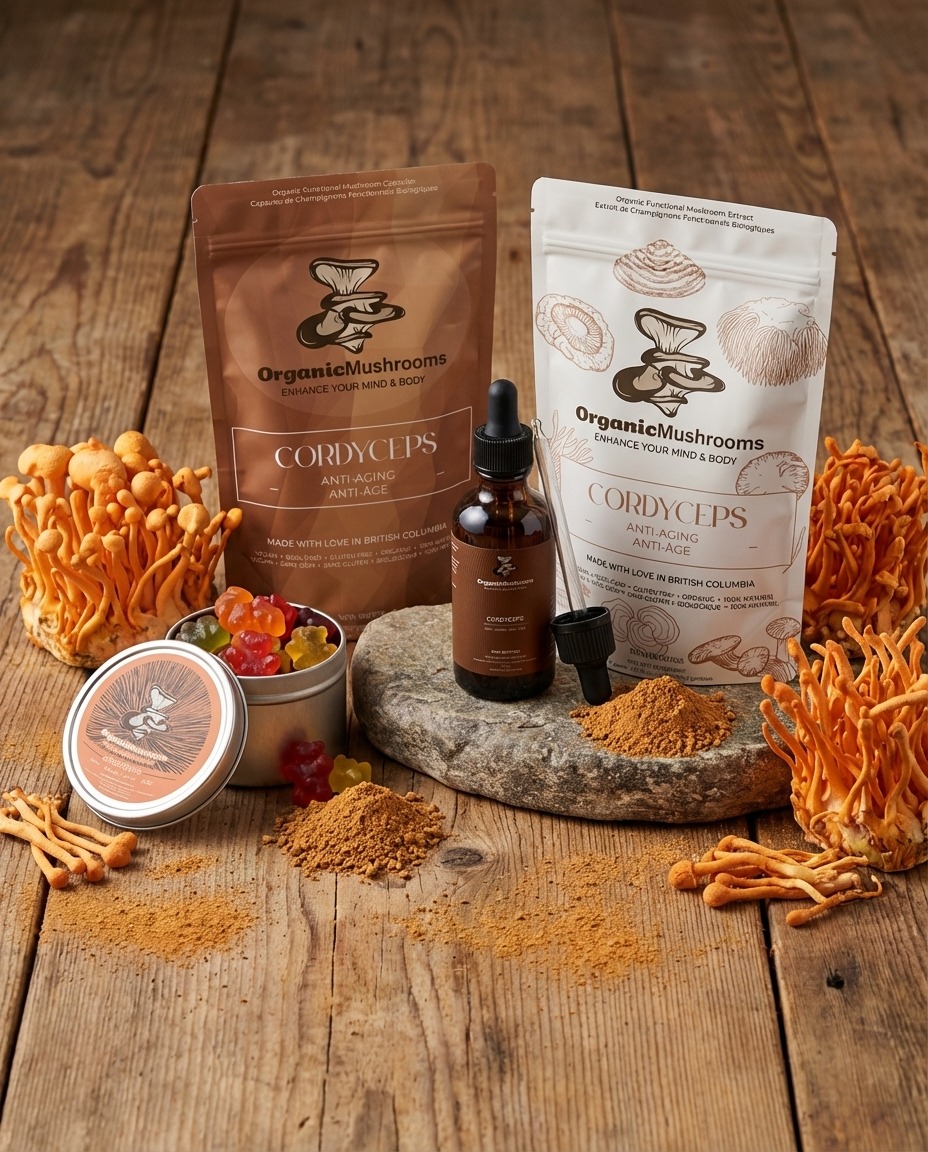
At Organic Mushrooms, we offer functional mushroom varieties like Lion’s Mane, Cordyceps, Reishi, Turkey Tail, and Chaga, plus blends like Daily VitaMush, in several formats. But which one actually fits into a real morning routine?

Capsules – Simple and No-Fuss

Capsules are the easiest option. Keep the bottle by your coffee machine, take them with water, and you’re done. No prep, no taste, no measuring.

They’re ideal if your mornings are structured and you just want consistency without thinking about it. They also travel well, making them great for busy schedules or commuting.

Best for: quick, predictable mornings.

Powders – Flexible and Customizable

If you’re already making coffee, tea, or a smoothie, powders slide right in. Stir them into your drink or mix them into oatmeal and you’re set.

They give you flexibility with serving size and feel more integrated into a morning ritual. The flavor is earthy, so they pair best with flavored drinks.

Best for: people who enjoy a hands-on, at-home routine.

Tinctures – Fast and Compact

Tinctures are concentrated liquid extracts with a dropper. Add them to water, coffee, or take them directly, it takes seconds.

The bottles are small and easy to carry, which makes them convenient if your mornings aren’t always in the same place. The taste can be herbal, so mixing helps if that matters to you.

Best for: efficiency and portability.

Gummies – Easy and Enjoyable

Gummies are straightforward, grab, chew, done. No water, no mixing.

They’re a good option if you prefer something more pleasant-tasting first thing in the morning. Portions are pre-measured, which keeps things simple.

Best for: convenience with a lighter, more enjoyable feel.

So, Which One Should You Choose?

It really comes down to how your mornings work.

If you want zero effort, go with capsules.
If you enjoy building your routine, powders fit naturally.
If you’re always on the move, tinctures make sense.
If you want simplicity with a better taste experience, gummies are easy.

The best format isn’t about trends, it’s the one you’ll actually stick with.

For more helpful tips, guides, and information, visit our blog!

The History of Ashwagandha

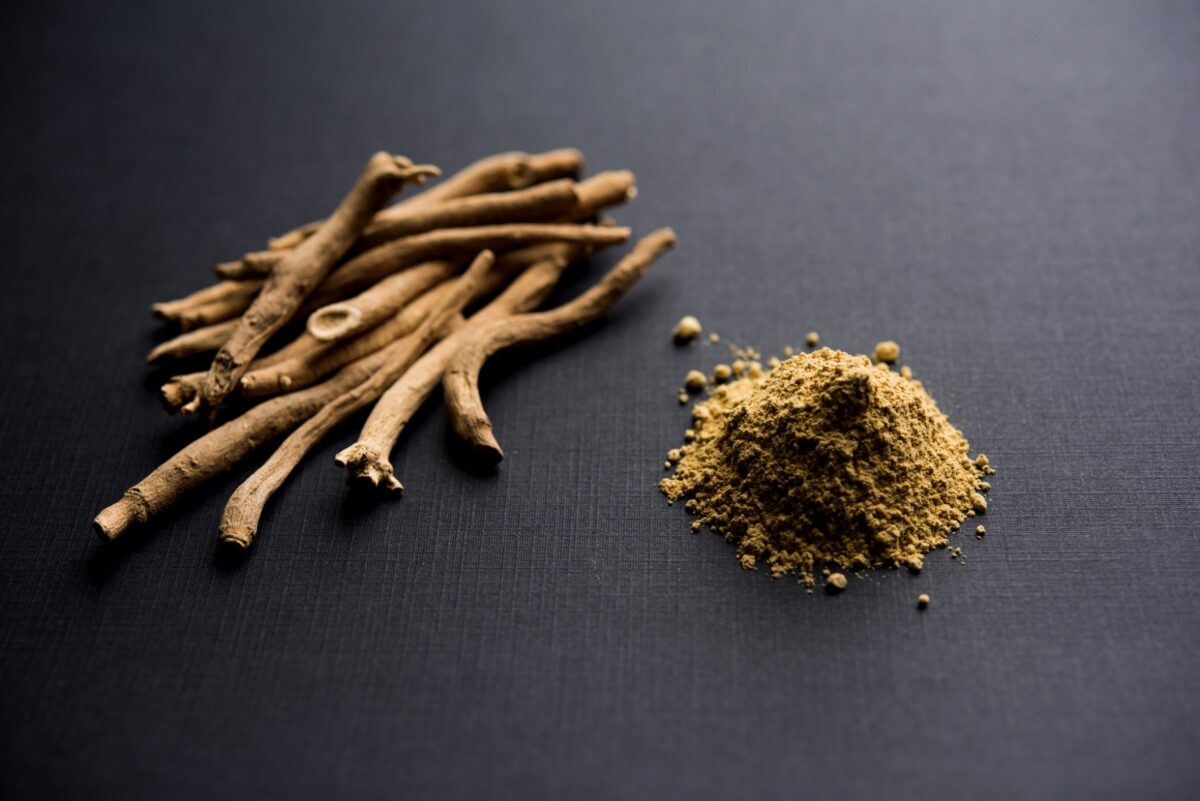
Ashwagandha, or Withania somnifera, is a plant with a history that spans thousands of years. Native to India, the Middle East, and parts of Africa, this small shrub has played a meaningful role in traditional medicine and cultural practices. Its Sanskrit name, roughly translating to “smell of the horse,” reflects both its unique aroma and its symbolic association with vitality and strength in historical texts.

Origins in Ayurveda

Ashwagandha is first documented in Ayurveda, India’s ancient medical system dating back over 3,000 years. In these traditions, the plant was considered a rasayana, a category of herbs valued for their adaptability in daily wellness practices. Historical texts like the Charaka Samhita and Sushruta Samhita describe Ashwagandha as an integral part of daily routines, using roots, leaves, and berries in various preparations.

Symbolism and Use

The root was regarded as the most potent part of the plant. Its Sanskrit name, ashwa (horse) and gandha (smell), evoked notions of strength and endurance, often connecting the herb to warriors and laborers in traditional narratives.

Spread to Middle Eastern Traditions

Ashwagandha’s significance was not confined to India. In the Unani system of medicine, which blends Greek and Islamic medical knowledge, the plant became a recognized ingredient in local remedies. Trade routes between India and the Middle East facilitated its adoption, allowing herbalists and apothecaries to incorporate Ashwagandha into diverse preparations across centuries.

Recognition in Europe

During the 16th and 17th centuries, European scholars and botanists began documenting Ashwagandha. As botanical gardens collected plants from Asia, the shrub gained attention for its distinctive roots and berries. Illustrations from this period reflect both curiosity and admiration, marking Ashwagandha’s first steps toward a global presence outside its traditional regions.

European Perspective

While initially considered exotic, the plant was increasingly recognized for its long-standing use in Ayurveda and Unani medicine, bridging cultural knowledge between continents.

Modern Cultivation and Global Awareness

Today, Ashwagandha is cultivated in multiple regions beyond its native habitat, including parts of Africa and the Americas, though India remains a primary center for traditional preparations. Modern herbal companies emphasize sustainable and organic cultivation, preserving both the plant’s heritage and traditional processing methods. Its global recognition reflects not only interest in historical practices but also a broader appreciation for botanical tradition.

Ashwagandha’s Enduring Legacy

Ashwagandha’s history tells a story of cultural exchange, tradition, and adaptation. From ancient Sanskrit manuscripts to medieval Unani texts, and from European botanical gardens to modern herbal markets, the plant has maintained a continuous presence across civilizations. Its journey highlights the enduring relationship between humans and plants, and the ways traditional knowledge continues to shape contemporary herbal practices.

If you enjoyed learning about the brief history of Ashwagandha, check out our blog where we dive into similar topics just like this one!

How EARTHFORCE is different from coffee

Coffee has been a daily ritual for millions of people, offering a quick spike of energy to start the day or power through mid-afternoon slumps. Its main active ingredient, caffeine, gives that fast jolt, but it often comes with unwanted side effects: jitters, overstimulation, and the inevitable crash.

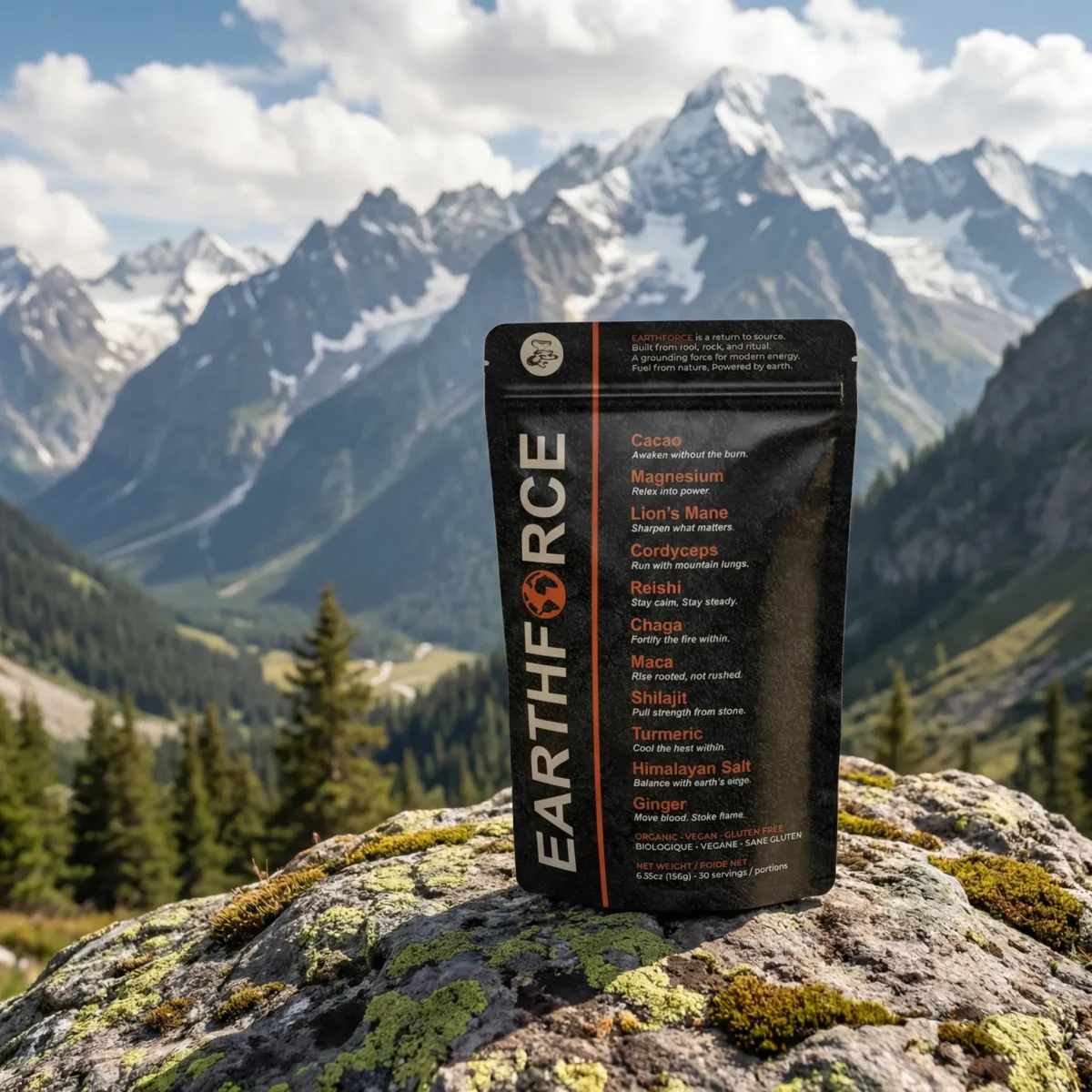
EARTHFORCE offers a very different experience. Rather than relying on high doses of caffeine, it delivers calm, focused energy while supporting the body and mind in a balanced, whole-body approach.

What Makes EARTHFORCE Unique

Unlike coffee, which works primarily through caffeine, EARTHFORCE contains just 4mg of caffeine per serving. This minimal caffeine level means you can enjoy steady energy without the spikes and crashes often associated with coffee.

Instead of a single source of stimulation, EARTHFORCE combines a thoughtful blend of functional mushrooms, adaptogens, and minerals. Each ingredient is carefully sourced, organic, and included to provide a smooth, balanced energy experience that grows with you throughout the day.

A Full-Spectrum Mushroom Blend

The core of EARTHFORCE is its Canadian-grown functional mushrooms:

  • Lion’s Mane – known for supporting mental clarity and focus
  • Cordyceps – included for stamina and endurance
  • Reishi – promotes calm energy and resilience
  • Chaga – a rich source of antioxidants for overall vitality

Together, these mushrooms create a balanced foundation for daily energy that goes beyond a quick caffeine spike.

Adaptogens and Botanicals for Ritual and Flavor

EARTHFORCE also combines adaptogens and botanicals to round out the experience:

  • Maca root – supports vitality and resilience
  • Shilajit – provides trace minerals
  • Turmeric – included for its anti-inflammatory properties
  • Cacao – delivers a rich, chocolate-like flavor and natural antioxidants
  • Ginger, Himalayan pink salt, and black pepper extract – for taste, mineral balance, and absorption support

These ingredients are blended into a smooth, flavorful powder with subtle spice notes, creating a daily ritual that nourishes both body and mind.

Energy That Grows With You

The combination of mushrooms, adaptogens, and minerals in EARTHFORCE delivers energy that grows with you, rather than burning out your system like a traditional coffee spike. Magnesium, maca, shilajit, and the full-spectrum mushroom blend work together to support steady energy, focus, and resilience throughout the day.

A Coffee Alternative That Fits Your Lifestyle

EARTHFORCE isn’t just about energy, it’s also organic, vegan, non-GMO, and free of fillers or artificial ingredients. Whether you’re swapping out coffee in your morning routine or adding a functional supplement to your wellness regimen, EARTHFORCE provides a clean, sustainable energy ritual with a rich flavor and thoughtfully sourced ingredients.

For more information on EARTHFORCE, visit our product page!

0
    0
    Your Cart
    Your cart is emptyReturn to Shop
    Generic selectors
    Exact matches only
    Search in title
    Search in content
    Post Type Selectors