Search

What Is a Certificate of Analysis (COA) and Why Should You Care?

When you’re choosing a mushroom supplement, you should be able to understand what you’re actually getting. Product labels can provide important information, but a Certificate of Analysis (COA) gives you a much closer look at the contents and testing behind a product.

A COA is a laboratory report that provides a breakdown of a product’s tested components and quality specifications. Depending on the product, this can include active compounds such as beta-glucans, as well as testing for heavy metals, microorganisms, and other potential contaminants.

In other words, a COA helps take the guesswork out of what’s inside your mushroom supplement.

Why Does a COA Matter?

Transparency matters when it comes to supplements.

It’s easy for a company to make statements about the quality or composition of its products, but testing provides information that customers can actually review for themselves.

A COA can show whether a product meets specific testing specifications and provide measurable results for important components. For example, Organic Mushrooms’ COAs include testing for beta-glucans, microbiological factors, and heavy metals.

This gives customers more information when deciding which products they want to add to their routine.

What Can You Find on a COA?

COAs can look complicated at first, especially if you’re not familiar with laboratory testing. However, the information is generally straightforward once you know what you’re looking at.

A COA can include:

Active compounds: These are the compounds being measured in the mushroom extract. For our products, this includes beta-glucans, which are commonly used as an indicator when testing mushroom extracts.

Heavy metals: Testing can measure substances such as arsenic, cadmium, lead, and mercury.

Microbiological testing: This can include testing for microorganisms such as yeast, mold, Salmonella, and E. coli.

Test results: The report shows the actual laboratory results alongside the applicable specifications.

Batch information: COAs can identify the specific lot or batch that was tested, providing traceability for the product.

This information gives you a much more detailed picture than simply looking at the front of a package.

Transparency Starts With Showing the Results

At Organic Mushrooms, we believe customers should be able to see the information behind the products they purchase.

That’s why we make our Certificates of Analysis publicly available on our website. You don’t need to contact us and request a report or simply take our word for what’s inside. Our COAs are available for customers to review directly through our Transparency page.

We currently provide publicly accessible COAs for products including Lion’s Mane, Cordyceps, Reishi, Chaga, Turkey Tail, Shiitake, Maitake, and Daily VitaMush.

We believe that if we’re going to talk about what’s in our products, you should be able to see the testing for yourself.

What Do Our COAs Show?

Our publicly available COAs provide specific testing information rather than simply stating that a product has been tested.

For example, our Turkey Tail COA includes a beta-glucan result, along with microbiological testing and measurements for heavy metals. The report identifies the batch tested and provides the laboratory methods and dates associated with the results.

Our Cordyceps COA provides similar information, including a measured beta-glucan result and testing for heavy metals and microbiological factors.

This level of detail allows customers to go beyond a product description and see actual laboratory testing information.

Why We Make Our COAs Public

For us, publishing COAs is about more than checking a box.

We want to make it easy for customers to learn about our products and understand the standards behind them. Our approach to transparency includes making our testing information accessible alongside information about how our mushrooms are grown, processed, and produced.

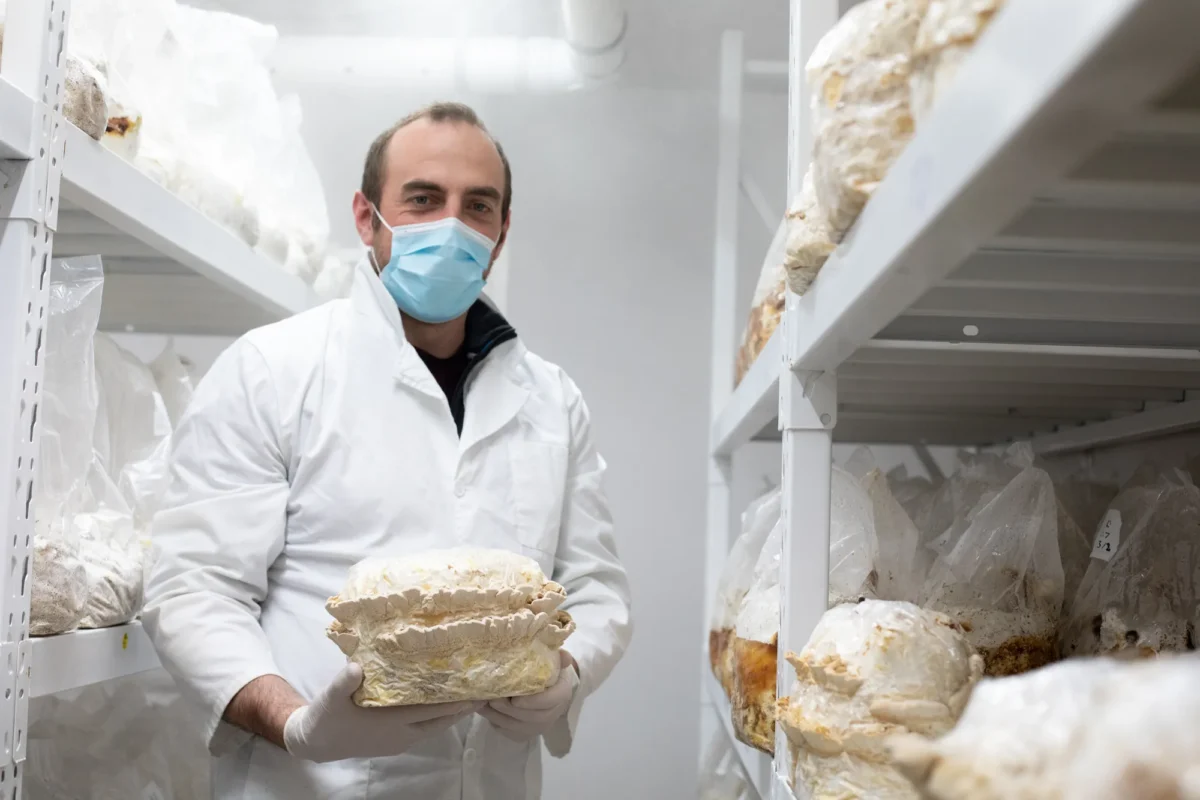
We grow our organic mushrooms in Canada and focus on producing supplements without fillers. We also conduct both in-house and third-party testing, with testing results published on our website.

We believe customers shouldn’t have to wonder what’s behind the label.

See the Testing for Yourself

A COA doesn’t require you to be a laboratory expert. It’s simply another tool that can help you understand the products you’re considering.

At Organic Mushrooms, we’ve chosen to make that information available publicly because we believe transparency should be easy, accessible, and straightforward.

Want to see exactly what has been tested in our products? Visit our Transparency page to explore our publicly available Certificates of Analysis and review the laboratory results for yourself.

For us, transparency means showing you what’s behind the label, not just telling you about it.
Cordyceps & Antioxidant Defense

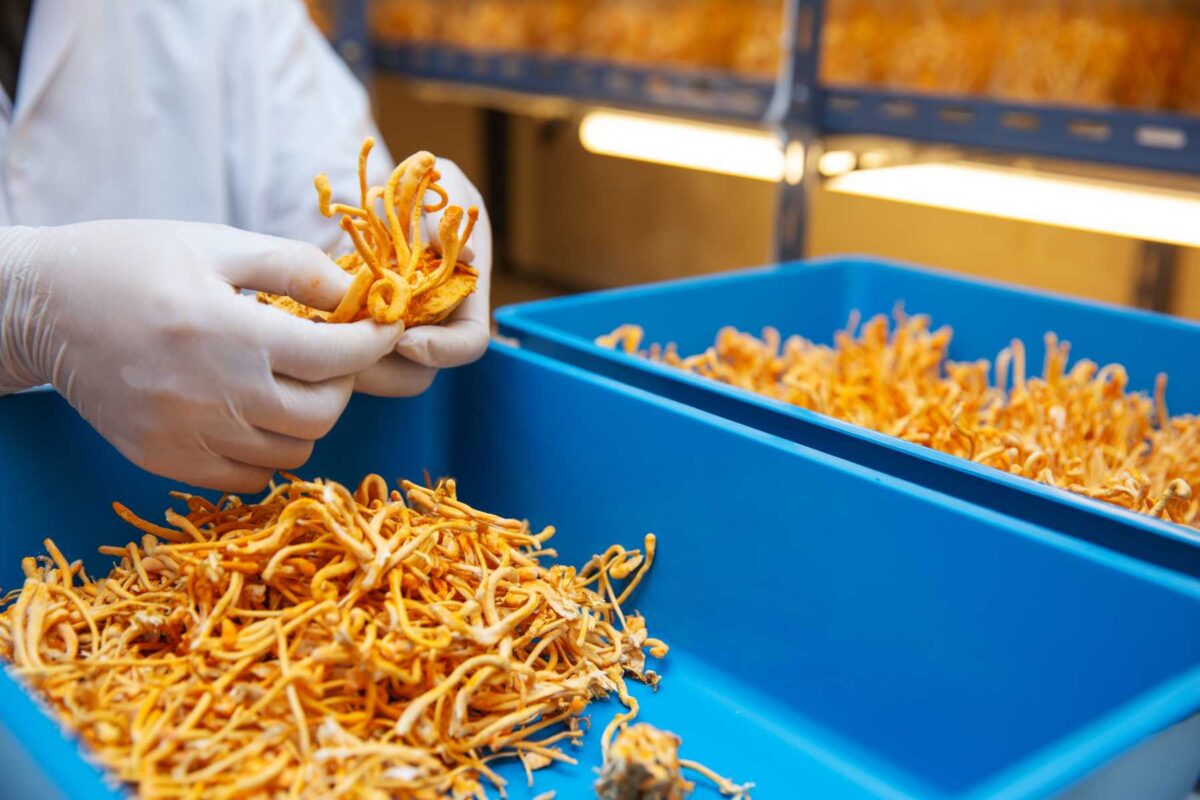
Cordyceps militaris is a functional mushroom that has attracted significant scientific interest due to its diverse range of bioactive compounds, including polysaccharides. Researchers have investigated these compounds in various laboratory and animal studies to better understand their biological activity and potential effects on oxidative stress and metabolic function.

One study that explored this topic is titled Antioxidant and Hypoglycemic Effects of Acidic-Extractable Polysaccharides from Cordyceps militaris on Type 2 Diabetes Mice

Research Introduction

The study was designed to investigate the effects of acidic-extractable polysaccharides isolated from Cordyceps militaris in a mouse model of Type 2 Diabetes. The authors note that Type 2 Diabetes is often associated with elevated oxidative stress, which occurs when the production of reactive oxygen species exceeds the body’s antioxidant defenses.

The researchers focused on polysaccharides extracted from Cordyceps militaris and evaluated their effects on several biological markers related to blood glucose regulation and antioxidant activity.

According to the authors, previous research had already identified Cordyceps militaris as a source of biologically active compounds. This study sought to further examine whether its polysaccharides could influence antioxidant-related pathways and metabolic markers in diabetic mice.

Research Conclusion

The authors report that mice receiving the Cordyceps militaris polysaccharide extract demonstrated changes in several markers associated with oxidative stress and glucose metabolism when compared to untreated diabetic mice.

The study observed effects in areas including:

  • Antioxidant enzyme activity
  • Oxidative stress-related biomarkers
  • Blood glucose-related measurements
  • Indicators associated with metabolic function

Based on their findings, the researchers concluded that the acidic-extractable polysaccharides from Cordyceps militaris exhibited antioxidant and hypoglycemic activity within the animal model used in the study.

Our Thoughts

This study contributes to the growing body of scientific literature examining Cordyceps militaris and its naturally occurring polysaccharides. The research highlights ongoing scientific interest in understanding how compounds found in functional mushrooms may interact with biological processes related to oxidative stress and metabolism.

At the same time, the study was conducted in an animal model, and additional research, including well-designed human studies, is necessary to further evaluate these findings and determine their broader applicability.

At Organic Mushrooms, we appreciate research that helps expand scientific understanding of functional mushrooms and look forward to seeing how future studies continue to explore the unique compounds found within Cordyceps militaris.

Disclaimer

Any and all references to biological activities, experimental findings, or potential health-related effects mentioned above are drawn directly from the study “Antioxidant and Hypoglycemic Effects of Acidic-Extractable Polysaccharides from Cordyceps militaris on Type 2 Diabetes Mice” This blog is a summary of that source and does not constitute medical advice, diagnosis, or treatment recommendations.

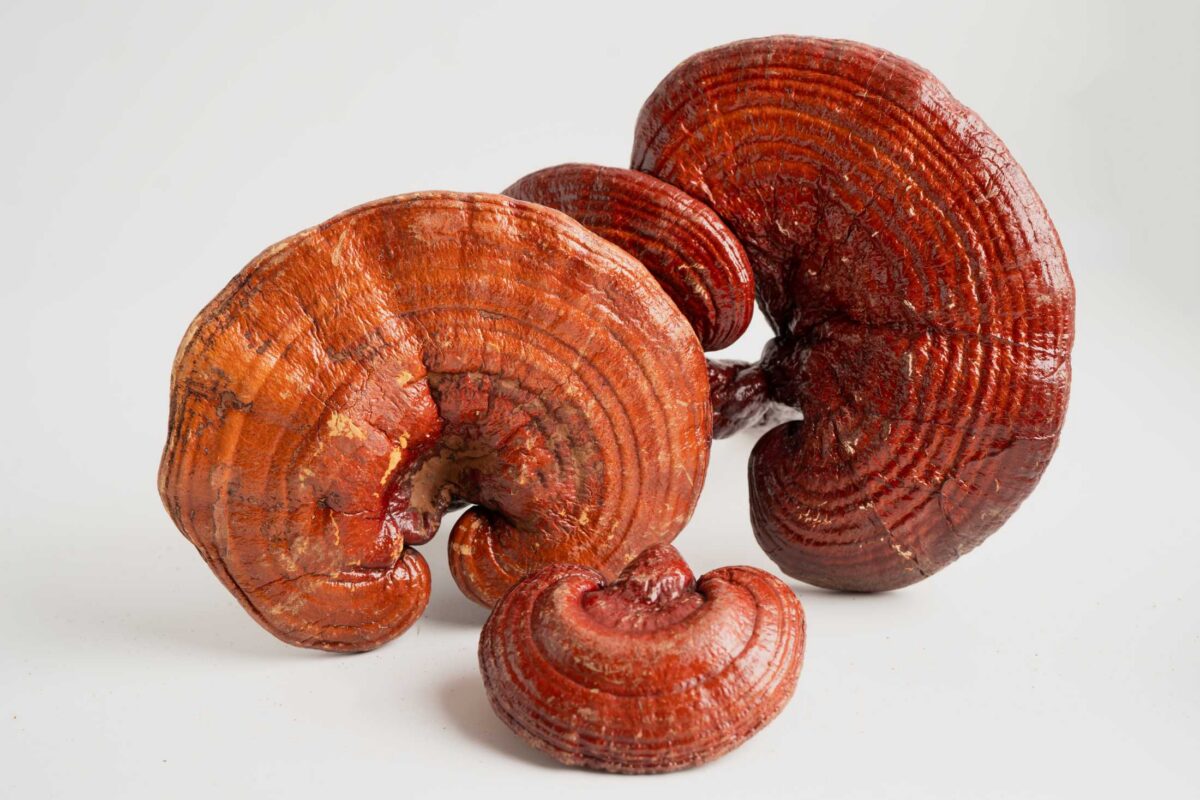
Research on Reishi

Unlike culinary mushrooms, Reishi is typically consumed in extracts, powders, teas, or capsules. Modern scientific interest focuses not on folklore, but on its biochemical composition, particularly compounds such as triterpenoids, polysaccharides (including beta-glucans), and other secondary metabolites that researchers have studied in laboratory and clinical settings.

One widely cited scientific overview of this mushroom appears in Herbal Medicine: Biomolecular and Clinical Aspects, in the chapter titled Ganoderma lucidum (Lingzhi or Reishi): A Medicinal Mushroom.

Chapter Introduction

The chapter begins by outlining Reishi’s long-standing role in traditional Chinese medicine, where it has historically been classified as a superior herb. The authors note that while traditional systems attributed broad wellness-supporting properties to the mushroom, modern research aims to understand its activity through chemical analysis and biomedical investigation.

The introduction explains that scientific interest in Reishi largely centers on two major groups of compounds:

  • Polysaccharides, particularly beta-glucans, which are studied for their interaction with immune-related pathways.
  • Triterpenoids, including ganoderic acids, which have been examined in laboratory research for various biological activities.

The authors emphasize that much of the early evidence comes from in vitro (cell-based) and animal studies. They also highlight that while interest is strong, human clinical research remains more limited in scope and scale compared to laboratory data.

Chapter Conclusion

In the conclusion, the authors reiterate that Ganoderma lucidum contains a diverse array of bioactive compounds that have demonstrated biological activity in experimental models.

They note that laboratory studies have explored areas such as:

  • Immune system modulation
  • Antioxidant activity
  • Effects observed in cancer-related experimental models
  • Liver-related and cardiovascular-related research models

However, the authors also stress that while preclinical findings are substantial, more well-designed human clinical trials are needed to fully confirm efficacy, clarify dosing, and total effectiveness.

Our Thoughts

Research on Reishi reflects an interesting intersection between traditional herbal practice and modern laboratory science. The reviewed chapter presents Ganoderma lucidum as a chemically complex mushroom that has attracted serious scientific attention, particularly for its polysaccharides and triterpenoids.

At the same time, the authors make it clear that further research is needed to fully verify and vet current understandings of Reishi and its overall effectiveness.

At Organic Mushrooms, we recognize the growing scientific interest surrounding Reishi and look forward to continued research on functional mushrooms, regardless of the conclusions future studies may present.

Disclaimer

Any and all references to biological activities, experimental findings, or potential health-related effects mentioned above are drawn directly from the chapter “Ganoderma lucidum (Lingzhi or Reishi): A Medicinal Mushroom in Herbal Medicine: Biomolecular and Clinical Aspects (2nd edition, 2011). This blog is a summary of that source and does not constitute medical advice, diagnosis, or treatment recommendations.

0
    0
    Your Cart
    Your cart is emptyReturn to Shop
    Generic selectors
    Exact matches only
    Search in title
    Search in content
    Post Type Selectors